Get a Video Gap Analysis for your company · See which videos could have the biggest pipeline impact
See Where Your Competitors Are Winning With Video Get a custom Video Gap Analysis for your company · See which videos could have the biggest pipeline impact
Thanks - our team will review your website and put together your personalized Video Gap Report. Expect it atthe email address you provided within 2 business days.
We'll put together a personalized report showing where video could have the biggest impact, how your competitors are using it, and specific opportunities for your team. You'll get strategic recommendations, not generic advice.
Thank you! Your submission has been received!
Oops! Something went wrong while submitting the form.
What Is a Testimonial? Definition, Examples, and Why They Matter
What a testimonial is, real examples, and how testimonials can work to skyrocket your credibility
July 7, 2026
What Is a Testimonial? Definition, Examples, and Why They Matter
When people evaluate a product or service, they often look for opinions from other customers before making a purchase. Marketing claims alone rarely convince buyers. They want to know what real customers actually experienced.
This is why many people ask what is a testimonial and why businesses use them.
A testimonial is a statement from a satisfied customer describing their experience with a company, product, or service. These stories often highlight positive feedback, results, or benefits that other potential customers want to understand before deciding.
Businesses use customer testimonials, quotes, and video testimonials to highlight real experiences and build social proof.
When people see that other customers had positive experiences, it helps build brand trust and makes future customers feel more confident about their decision.
What Is a Testimonial?
A testimonial describes how a real customer experienced a product or service and what results they achieved. It usually explains:
How the product helped solve a customer's problem
What benefits the customer received
Why they felt satisfied with the result.
Because these stories come directly from real customers, they are trusted way more than traditional marketing messaging.
Businesses use customer testimonials as a form of social proof.
When potential customers see that other REAL customers had positive experiences, it helps them feel more confident about making a purchase.
BrightLocal found that just 4% of consumerssay they never read online business reviews, which shows how heavily buyers rely on other people’s experiences before making a decision.
Testimonials can appear in several different forms.
Some businesses publish written testimonials or short customer quotes on their website. Others share video testimonials, social media testimonials, or feedback collected from review sites.
Regardless of the format, the goal is the same. Show real customer experiences that help build credibility, strengthen brand trust, and support buying decisions.
What's the difference in a customer testimonial and a client testimonial? Though they can definitely be used interchangeably, client testimonials generally refer to long term partnerships and companies providing professional services. Customer testimonials most often refer to someone who purchased a good or item, or shopped at a location/retailer. There is no right or wrong - it's purely based on your relationships.
Testimonial Differentiators
There are A LOT of forms of social proof and brand/service/product endorsement.
"I loved it - worked great!" is nice to have and a great review - but not technically a testimonial.
To truly qualify as a testimonial, the info shared usually includes a few key elements that help make the message credible and useful to potential customers.
Testimonials come from real customers who have used a particular product or service. They are sharing direct experience, which makes their opinion more valuable to other customers evaluating the same solution.
A strong testimonial explains the journey. It often starts with their problem, how the company or service helped overcome it, and what the final result was.
Testimonials should always include specific details. Highlight specific use, positive results, improved efficiency, or overall experience. These details make the feedback more authentic and relatable.
When businesses present these stories clearly, they can become the most powerful tool in the toolkit to build credibility and close deals.
What About Reviews & Endorsements?
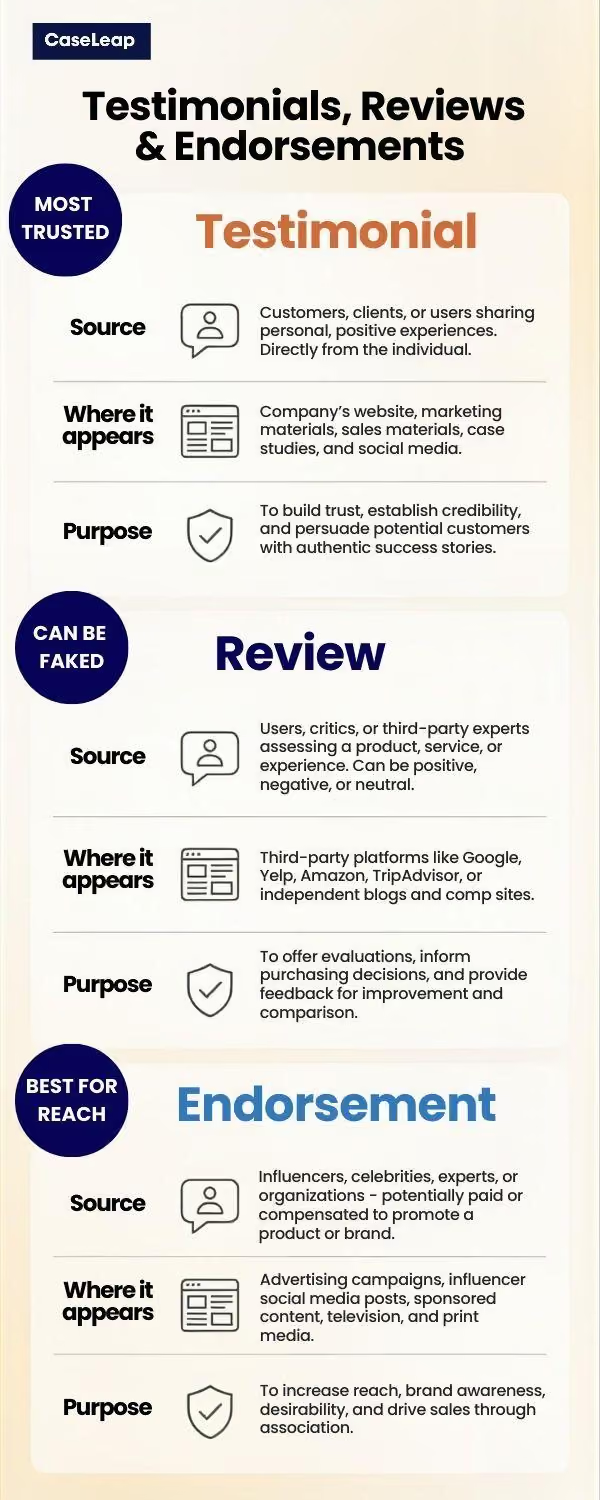
People often use the terms testimonial, review, and endorsement interchangeably. However, they describe slightly different types of customer feedback. All extremely useful when each is used strategically.
Here's a quick rundown:
Testimonials
Feedback from a real customer describing their experience with a product or service.
Businesses often publish customer testimonials on their website, landing pages, sales materials, or in marketing campaigns
There are written and video testimonials - though video testimonials are undeniably more effective for true connection and holding attention.
Reviews
Usually posted on public review sites or online platforms where customers rate a company.
Often include star ratings and customer opinions
Unfortunately, the easiet to fake - so not always super trustworthy
Reviews are almost always written, and are typically published independently by customers (meaning you get both the good and the bad in one place)
Endorsements
An endorsement comes from public figures, influencers, or industry experts who recommend a product or brand.
These recommendations may appear in advertisements, social media posts, or influencer campaigns.
Endorsements can be earned OR paid. Paid endorsements are great for garnering attention and awareness, but not particularly good for real experience review.
Different Forms of Testimonials
Testimonials can appear in several different forms, depending on how customers choose to share their experience. Some testimonials are short and simple, while others tell a more detailed success story about how a product or service solved a customer’s problem.
Written Testimonials
Written testimonials are one of the most common formats. These usually appear as customer quotes from a satisfied customer describing their experience with a product or service.
Businesses often display written testimonials on their website, landing pages, or marketing materials. Because they are quick to read, they make it easy for potential customers to see positive feedback and understand why other customers trust the brand.
Video Testimonials
Video testimonials allow customers to explain their experience in their own words on camera. These testimonials are often more visually engaging because viewers can see the customer’s tone, confidence, and reaction while they describe their results.
Many companies use video testimonials on product pages, marketing campaigns, and social media because they help create stronger social proof and build credibility with prospective customers.
Social Media Testimonials
Some testimonials begin as social media posts from happy customers who share their experience online. These posts may appear on platforms such as LinkedIn, Instagram, or other online platforms where customers talk about products they enjoy.
Because this feedback is often shared publicly and voluntarily, social media testimonials can feel very authentic to future customers researching a product or service.
Interview Testimonials
Interview testimonials are created when a company asks customers a series of questions about their customer’s experience. This question and answer format helps customers explain their story clearly and provides more valuable feedback about how the product helped them.
These interviews can be turned into written testimonials, blog content, or video format testimonials that highlight real customer results.
Testimonial Examples
Testimonials can appear in many formats, but they all share the same goal. They show how real customers experienced a product or service and what results they achieved. Seeing these positive experiences helps potential customers understand the value of a solution before making a purchase.
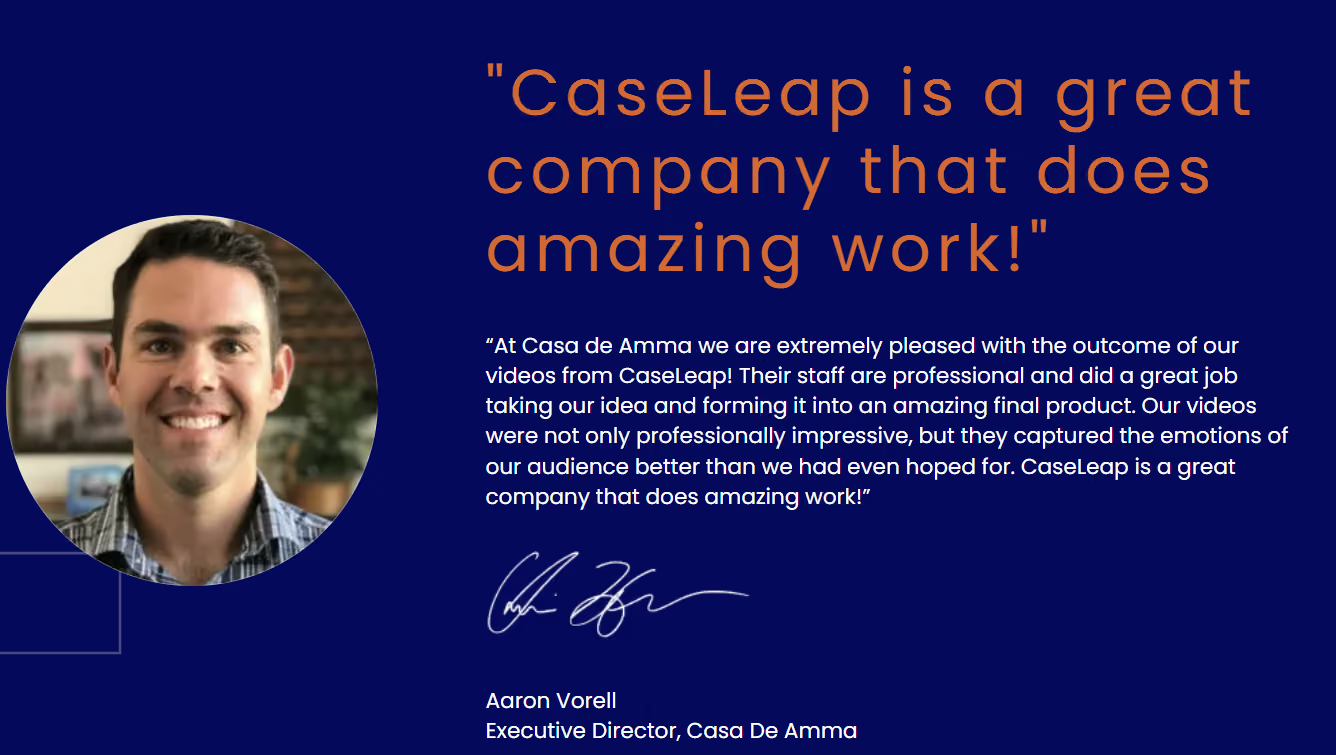
Example of a Quote Testimonial
This type of customer quote is one of the most common written testimonials. A short statement from a satisfied customer can quickly highlight benefits and provide strong social proof.
Example of a Video Testimonial
Because viewers can see and hear the person sharing the story, video testimonials often feel more authentic and captivating. They are easy to connect with and create emotional engagement.
Example of a Social Media Testimonial
These can be in the form of a client post on a page or a reply to a company post. They can also be shared via the company as a reel, pic, or post.
These social media testimonials often feel natural because the feedback comes directly from happy customers sharing their experiences on public online platforms.
Businesses often combine several testimonial formats to show customer feedback from different perspectives. This mix of written testimonials, videos, and social posts helps build stronger credibility and encourages future customers to trust the brand.
How Testimonials Build Trust With Potential Customers
When people research a solution, they often look for customer feedback that confirms the product actually works.
Several factors explain why testimonials influence buying decisions:
They provide social proof When potential customers see that other customers had positive experiences, it signals that the product or service is trustworthy.
They show real customer experiences A satisfied customer can explain their customer’s problem, how the product helped, and what results they achieved.
They reduce uncertainty during the purchase decision Buyers often hesitate before trying a new product. Seeing customer testimonials, written reviews, or video testimonials helps them feel more confident.
They strengthen brand credibility A collection of customer quotes, testimonials, and positive feedback shows that many customers trust the business.
They support higher conversion rates When testimonials appear on a website, landing page, or marketing materials, they can help encourage new customers to move forward with a purchase. PowerReviews found a 108.6% lift in conversion among shoppers who interact with ratings and reviews, which helps explain why trust signals matter so much near decision points.
Over time, these positive customer testimonials become a powerful form of social proof that helps businesses build brand trust, attract future customers, and strengthen their marketing efforts.
How CaseLeap Helps Businesses Capture Authentic Testimonials
Many businesses understand the value of customer testimonials, but collecting them consistently can be challenging. Even when customers have positive experiences, they may not always take the time to write detailed feedback or record a testimonial on their own.
CaseLeap helps simplify this process by guiding customers through a structured approach to sharing their customer’s experience. Instead of asking for vague feedback, businesses can collect clearer and more useful testimonials.
Guiding customers with structured questions Instead of generic feedback, customers respond to prompts that help them explain their customer’s problem, how the product or service helped, and what results they experienced.
Collecting video testimonials and written testimonials Businesses can gather both video testimonials and written testimonials, allowing them to present customer stories in different formats across their website, landing pages, or marketing materials.
Organizing customer feedback in one place Companies can build a library of customer testimonials, customer quotes, and valuable feedback that can be used across marketing campaigns.
Conclusion
A testimonial is feedback from a real customer describing their experience with a product or service. These stories highlight positive experiences, show real results, and help build social proof that potential customers trust.
When businesses share customer testimonials, customer quotes, or video testimonials, they give future customers a clearer picture of how their product works in real situations. This type of customer feedback helps strengthen credibility and makes buying decisions easier.
CaseLeap is a platform that helps businesses collect authentic testimonials and organize them into a library of customer stories that can be used across websites, marketing materials, and sales content.
FAQs
What is a testimonial?
A testimonial is a statement from a real customer describing their experience with a product or service. Testimonials usually highlight positive results, benefits, or improvements the customer experienced after using the product. Businesses often use customer testimonials as social proof to help potential customers feel more confident about a purchase.
What is an example of a testimonial?
A common example is a short customer quote shared on a website. For example:
“This platform helped our team organize projects faster and improve collaboration across departments.”
This type of written testimonial shows positive feedback from a satisfied customer and helps demonstrate the value of the product.
Are testimonials the same as reviews?
No. Testimonials are usually selected by a business and presented on a website or in marketing materials to highlight positive experiences. Reviews, on the other hand, are typically posted by customers on review sites or online platforms and may include both positive and negative reviews.
Why are testimonials important for businesses?
Testimonials help build brand trust and credibility. When potential customers see feedback from other customers who had positive experiences, it reduces uncertainty and makes it easier to evaluate a product or service before making a purchase.
What makes a good testimonial?
A strong testimonial explains the customer’s problem, how the product helped solve it, and what results were achieved. Specific details, authentic language, and real experiences from satisfied customers make testimonials more persuasive and valuable for other customers researching the solution.
Build trust and accelerate conversions
Contact us today. We'd love to help you supercharge your sales conversions.